
News and press
Events, milestones and press coverage of SGRF and the Hortus Malabaricus Botanical Garden.
2026
-
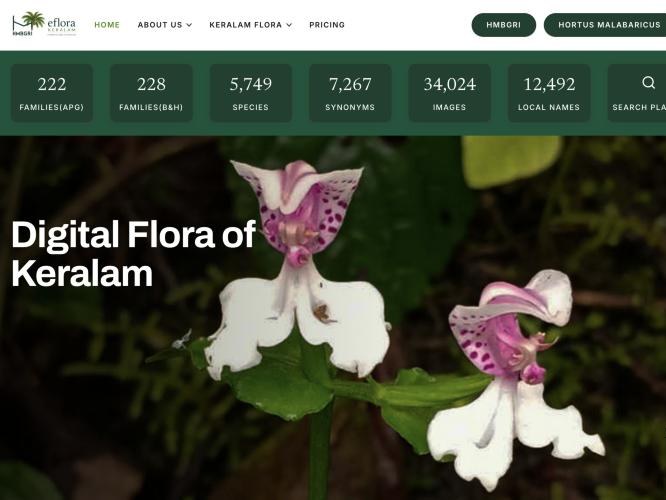
eFlora Keralam beta launched
HMBGRI has launched the beta version of eFlora Keralam, an online database of more than 5,700 flowering plants of Keralam. You can browse plants by family (APG and Bentham & Hooker systems), species, synonyms and local names, and view plant photographs. Dr N. Sasidharan, a member of our advisory board, was the original curator, and the plant details come from a number of contributors. Part of the database is free to use, and full access is available for a small fee.
-
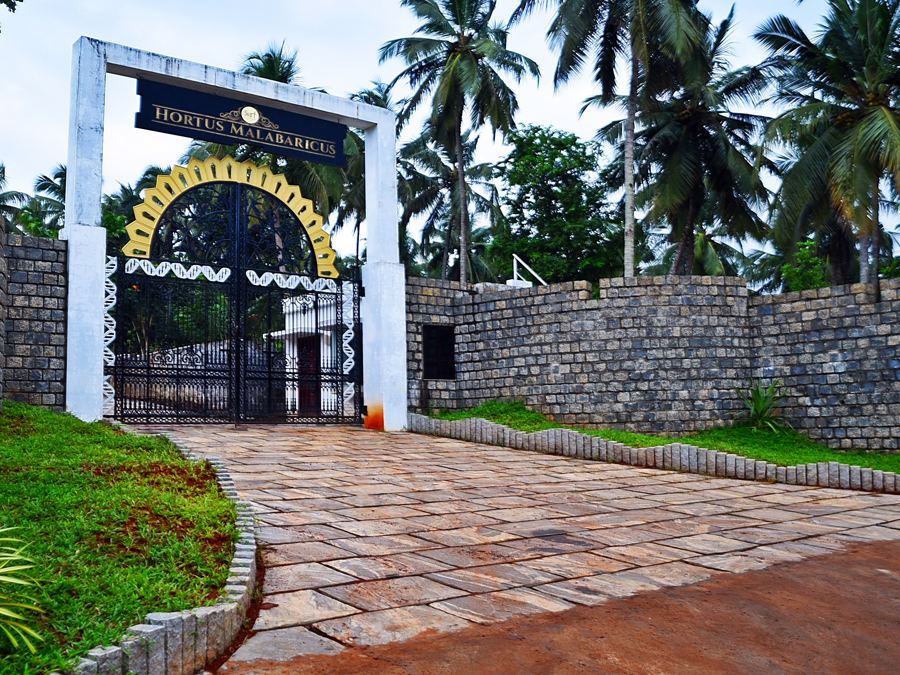
Hortus Malabaricus featured in The Plant Review
Garden writer Deni Bown visited the garden and reports on how a new botanic garden became a research institution, education centre and visitor attraction in just over a decade. She highlights its focus on the 742 species of Hortus Malabaricus, the Sacred Grove, the banana forest and the butterfly garden.
-
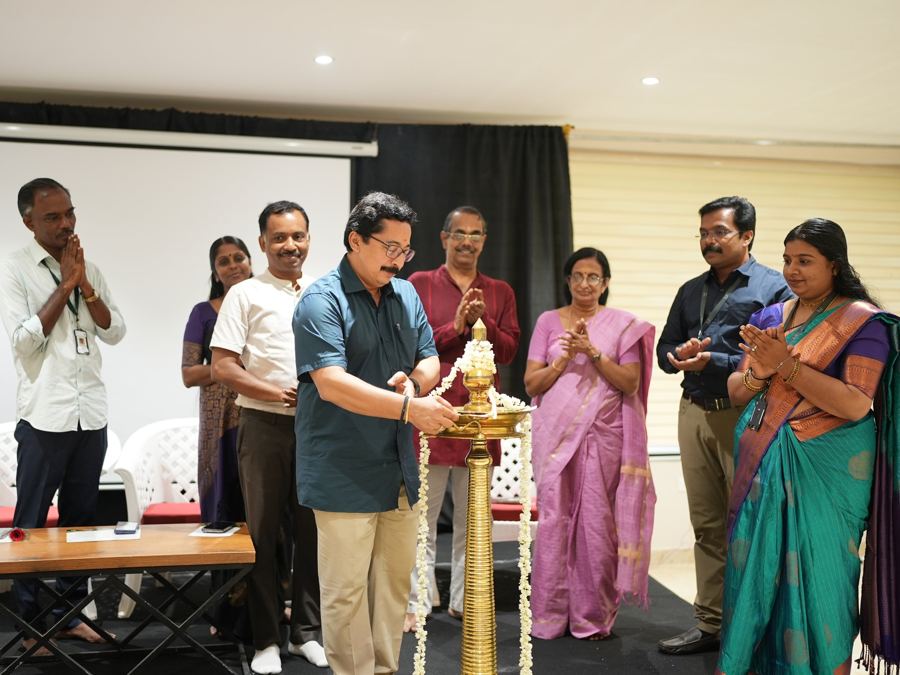
Ayur Udhyan, our Ayurveda garden, opens
Dr K.S. Vishnu Namboothiri, President of the Ayurveda Medical Association of India, inaugurated Ayur Udhyan at HMBGRI. Laid out in the traditional Sarvatobhadra style, it recreates the three Ayurvedic terrains and arranges 108 vital medicinal plants by the stages of life.
2025
-
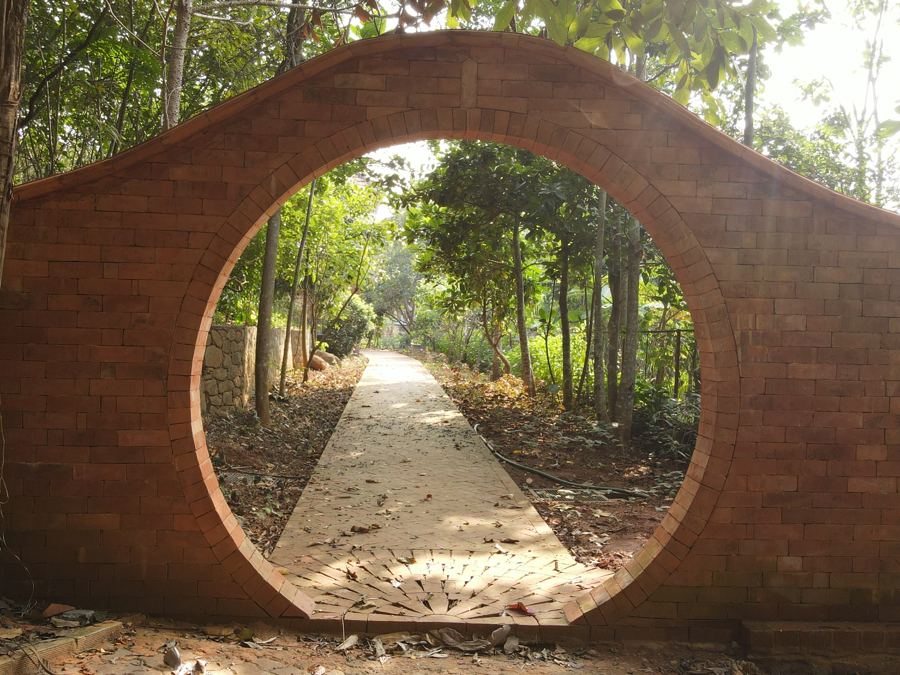
“Passion grows here”: The Week tells the garden's story
In its Untold Stories series, The Week traces how Hendrik van Rheede's 17th-century Hortus Malabaricus inspired Sam Santhosh, India's “genome man”, to create a garden that blends Ayurvedic knowledge with modern genomic research.
-
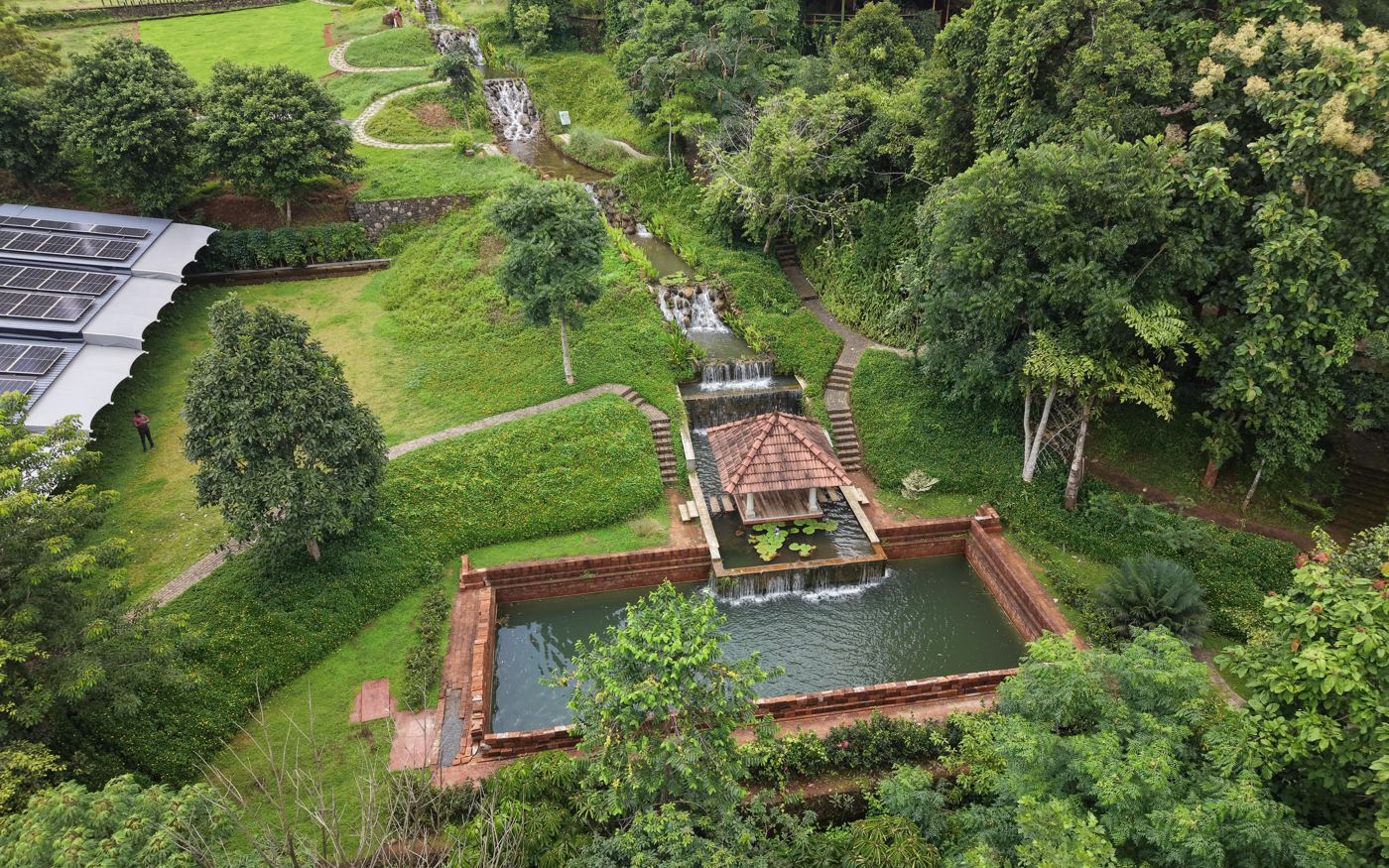
Cheruthuruthy initiative unites nature and culture
The Hortus Malabaricus Botanical Garden, Kerala Kalamandalam and the Vayali Folklore Group have joined hands to promote plant conservation, research and classical arts. Their first project, Rasa Dhara, is a series of monthly Kutiyattam performances held in the garden.
-
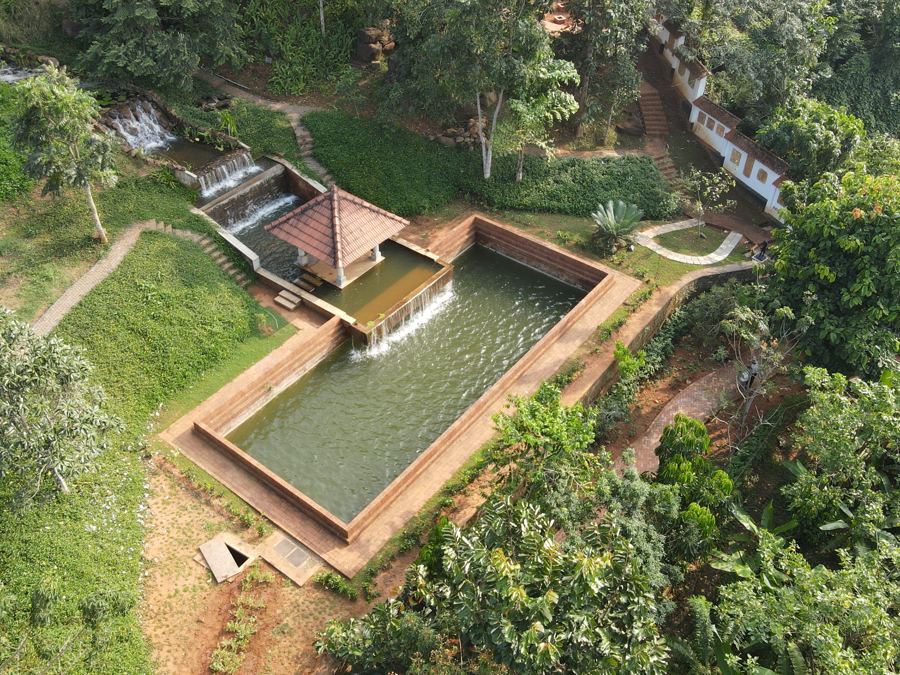
International workshop on the research potential of Hortus Malabaricus
Researchers and policymakers met at HMBGRI to explore the botany, history and ethnobotany of the plants in Hortus Malabaricus, and future research in molecular phylogenetics, phytochemistry and sustainable bioprospecting.
-
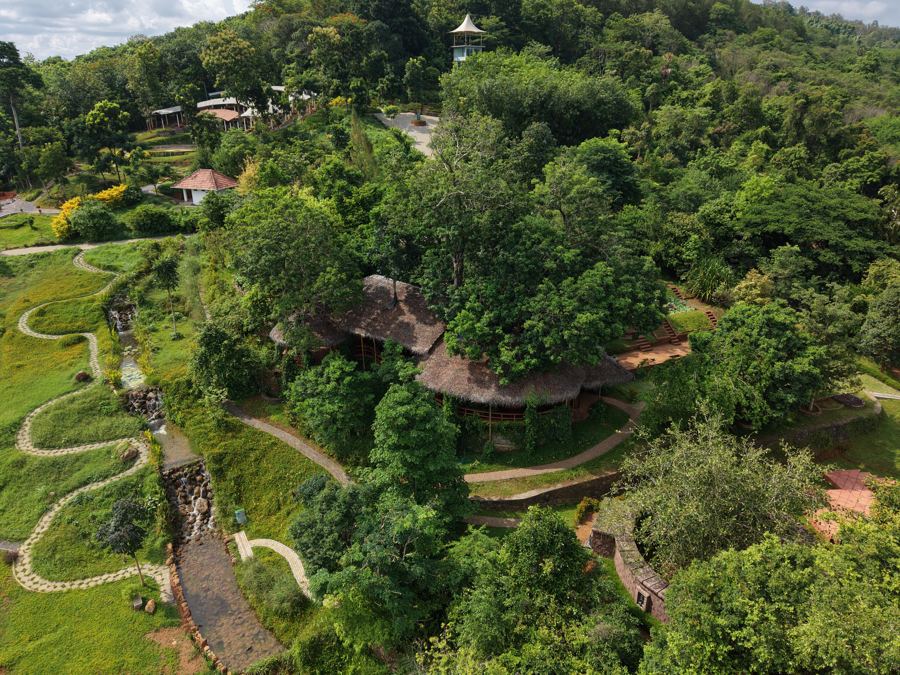
Hortus Malabaricus Botanical Garden opens to the public
Kerala's Minister for Local Self-Governments, M.B. Rajesh, inaugurated the garden at Nedumpura near Cheruthuruthy, with Dr Robin Coningham, UNESCO Chair in Archaeological Ethics and Practice, as special guest. After ten years of work, the 28-acre garden holds more than 1,200 plant species, including over 720 of those described in Hortus Malabaricus.
-
Remembering Prof K.S. Manilal
In a tribute in the New Indian Express, Sam Santhosh writes about the botanist who spent decades translating the 12 Latin volumes of Hortus Malabaricus into English and Malayalam, the work that made the garden possible. The garden honours him with Manilal Street.
2024
-
Symposium on Synthetic Biology at CUSAT
SGRF hosted a half-day symposium on designing biological systems for human therapeutics at CUSAT, Kochi, with keynote talks by Dr Sachdev Sidhu, Prof. Stephen Michnick and Prof. Clarence Ronald Geyer.
2022
-
“In Kerala, a garden springs from a book”
The Sunday Times of India reports on SGRF's effort to recreate the plants of Hortus Malabaricus on a 20-acre site near Cheruthuruthy, years before the garden opened to the public.
2020
-
The Indian cobra genome on the cover of Nature Genetics
SGRF and partners published a high-quality genome of the Indian cobra, identifying 19 key venom toxin genes as a starting point for synthetic antivenoms.
2019
-
GenomeAsia 100K on the cover of Nature
The GenomeAsia 100K pilot study, which included 598 genomes from 55 Indian ethnic groups, was published as the cover story of Nature.