2011 – 2015
Bioinformatics workshops
Hands-on workshops, held every year for five years, that trained students and researchers to analyse next-generation sequencing data.
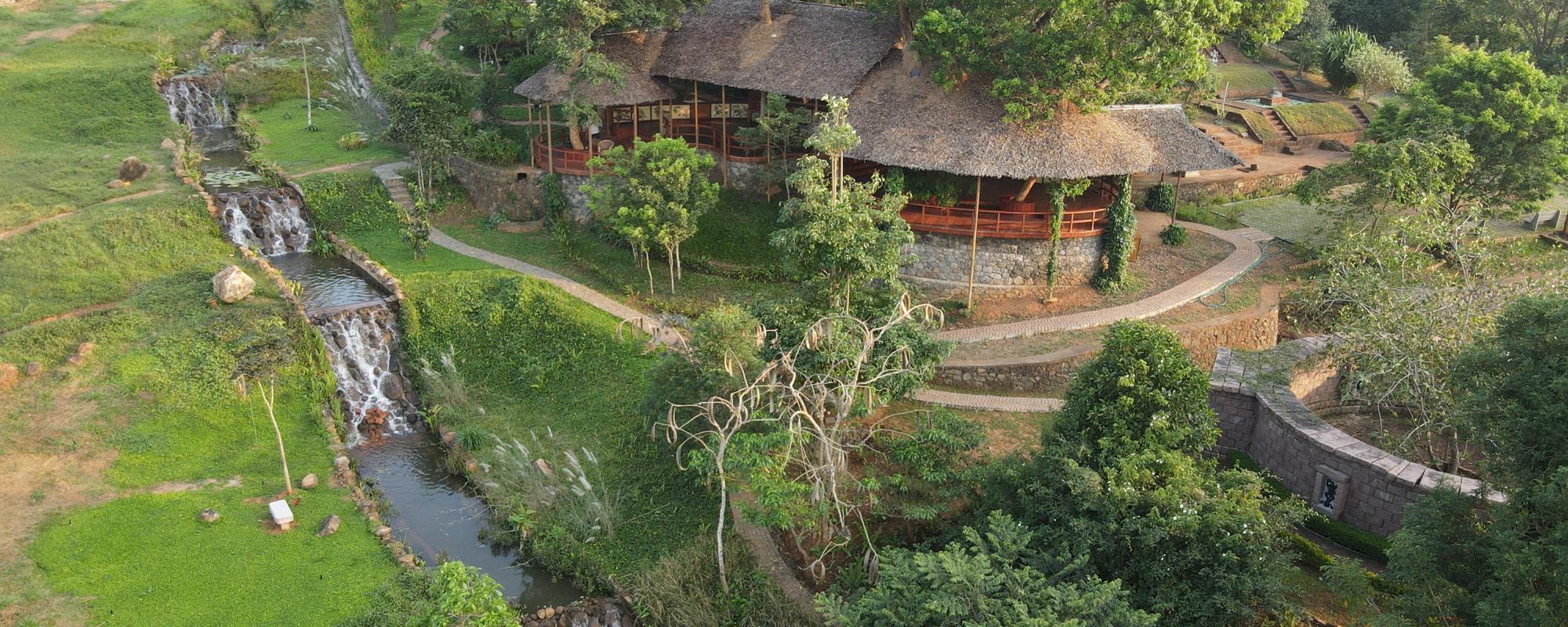
SGRF has supported young Indian scientists with sequencing grants and hands-on training in genomics.
From 2016 to 2018, the SGRF Genomics Project Grant paid for next-generation sequencing for research projects at Indian universities and not-for-profit institutes. Faculty, postdoctoral fellows and students could apply in human and medical genomics, plant, animal and microbial sciences, metagenomics, and wildlife and conservation biology.
An expert committee reviewed every proposal. Winners received free sequencing, a cash award for incidental expenses, and travel and accommodation to present their work at that year's NGBT conference.
| Grant winner | Project |
|---|---|
| Shraddha DahaleRegional Centre for Biotechnology, Faridabad | Elucidating post-translational interference of phytopathogen Pseudomonas sp. effector HopA1 on defense-associated transcripts |
| Srijana MukhiaCSIR Institute of Himalayan Bioresource Technology, Palampur | Metagenomic survey of the bacterial communities in the East Rathong glacial core with relevance to climate change |
| Jithin S. SunnySRM Institute of Science and Technology, Chennai | Understanding the non-classical metabolic pathway: comparative metagenomics of microbial communities from Kunzum Pass and Solan, Himachal Pradesh |
| Dr Ratna Dua PuriSir Ganga Ram Hospital, New Delhi | Lethal skeletal dysplasia: untangling the antenatal diagnostic dilemmas |
| Srikrupa NatarajanSankara Nethralaya, Chennai | Whole exome sequencing to identify novel genes in Indian families with Leber congenital amaurosis |
| Grant winner | Project |
|---|---|
| Machiraju PraveenNarayana Nethralaya Foundation (GROW Research Lab), Bangalore | A comparative study of gene expression between fused and unfused sutures in non-syndromic craniosynostosis |
| Mritunjay KaseraRegional Centre for Biotechnology, Faridabad | Uncoupling plant defences from hormonal pathway modulations using a novel regulator |
| Dr Niraj RaiBirbal Sahni Institute of Palaeosciences, Lucknow | Three cheetahs, three stories: reconstructing the genetic history of the Indian cheetah |
| Dr Vikrant NainGautam Buddha University, Greater Noida | A robust NGS-based protocol to identify genome-wide off-target cleavage sites in CRISPR/Cas9 genome editing |
| Grant winner | Project |
|---|---|
| Dr Jewel Jameeta NoorRegional Centre for Biotechnology, Faridabad | Selective mRNA export: a cellular switch to initiate and regulate plant innate immunity to bacterial pathogens |
| Dr Souvik MukherjeeBiomedical Genomics Centre, Kolkata | The diabetic foot ulcer microbiome in chronic non-healing wounds and antibiotic resistance |
| Raveendran MuthurajanCentre for Plant Molecular Biology and Biotechnology, Coimbatore | Molecular networks regulated by the transcription factor EcNAC67 that confer enhanced salinity tolerance in rice |
| B. KalpanaK.S. Rangasamy College of Technology, Tamil Nadu | Metagenomic analysis of changes in active bacteria in caries lesions of early childhood caries and recurrent ECC |
| Dr Arun ShastryDART, Bangalore | Matrilineal inheritance of causal variants of Duchenne muscular dystrophy in multi-generational families |
Hands-on workshops, held every year for five years, that trained students and researchers to analyse next-generation sequencing data.
At NGBT 2013, we sequenced the mitochondrial genomes of 80 volunteer delegates live during the conference. Cheek swabs were collected and libraries prepared on day one, sequenced on day two, and analysed on day three, when each participant received their maternal haplogroup before the meeting ended.
SGRF supports eminent scientists to give talks at universities and research institutes in India, so that students can meet leaders in their field.